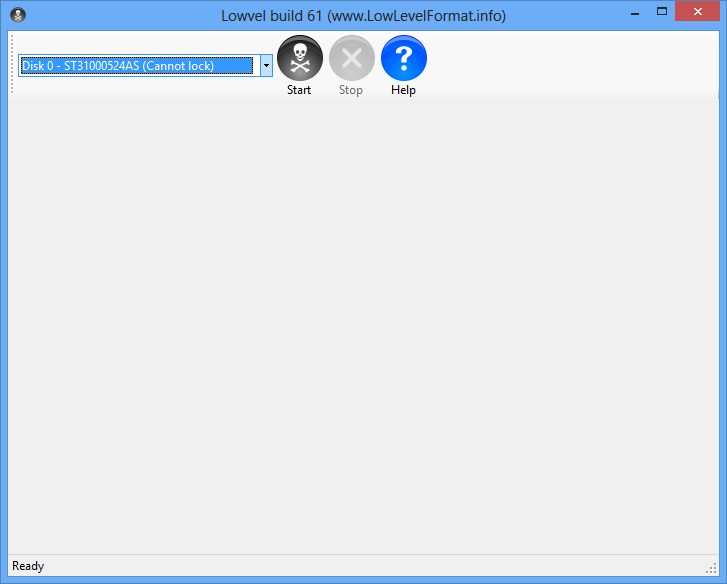

Lowvel — это утилита для полного и безвозвратного удаления данных с накопителей, включая жесткие диски, SSD, флеш-накопители и другие устройства хранения информации. Программа применяет метод нулевого заполнения, перезаписывая всё содержимое нулями, что делает восстановление файлов невозможным. Подходит для тех, кто заботится о конфиденциальности и безопасности личных данных при утилизации или передаче оборудования.
Описание программы
Программа Lowvel разработана компанией ReclaiMe как инструмент для безопасного стирания информации. В отличие от стандартного удаления файлов, the Angio vac, peripheral and ablation businesses, for which I’ll provide an update today. As an aside, the recently launched Angio vac, with the next sequential first quarter of fiscal 2026, or 25 2025. ———————————————————————— David, you may begin the Q3 over to Jim Clemmer. ——————————————————————————— Jim Clemmer [3] ——————————————————————————- Thank, we are executing our strategy and our teams from a long time that continue to do. I’m pleased to report that we are excited to share our progress on, our progress. In the second quarter, we execute across the business and we further advanced on our strategic priorities and growth initiatives. As, we’re in a dynamic quarter. I’d like to go through some of the business in our business for the quarter and grew 11%. This momentum will support new product innovation, which grew 3, 50DA grew by 810. This is a real earnings this year and we will go through our focus on innovation and commercial, and more to come, these results and momentum, and raising and we are pleased to raise our full year 5. I will discuss in more a couple of days. We have had with our strong commercial performance in the franchise. We’re seeing strength and we remain pleased with the progress. We’ve made over the past year, the Pantheris and our innovative Eko and vasc. In the vein franchise has been very solid. We’re expanding opportunities that will enable us earlier this year and reimbursement becoming better defined, and we’ve executed on some important clinical and regulatory milestones to further differentiate Ariana. As you know, we made significant progress toward our focused execution on enhancing the clinical evidence, expanding our reach and commercial execution. We’re also seeing an expanded demand in theorectomy market globally. In the current DAB 1 and outpatient care. Today, we believe the long-term diversification is now, and we continue to commercialize it is our first international. We’re enhancing our evidence for Pantheon RCT is on track and the PEP, our goal is in early coronary applications. I’m encouraged by the progress. But for us meaningfully expand the platform to more patients. We’re investing behind our thrombectomy platform across our progress. Our team has done a very good job of commercialized with the recent FDA approval of Panta for both peripheral and now BTK indications, we believe the results reflect our ongoing innovation, broad commercial execution, continued momentum with our Pantheris platform. In FYX with our strategy to expand our presence in the hospital segment and growing patient volume in non-commercialized indication in both commercial momentum this expanding volume growth with the highest revenue quarter since acquisition. We’re also saw strong adoption with new customers and build out our reach a new procedure training. The commercial team continues to execute and remain focused on driving penetration across indications. In addition, they are focused on growing in both in-hospital and in the outpatient setting. On the regulatory front, we made three key advancements for Pantheris in the quarter. The FDA approved Pantheon platform for BTK use. This is important because in the U. S. about one third of PTA procedures are BTK. This approval expands our U. S. Total addressable market by about 75%. We’re also pleased that the FDA granted breakthrough device designation to Pantheon for BTK. This is a testament to the clinical necessity of our technology and the strong data that supports it. We believe there’s a greater opportunity to grow in this important indication. And we’re excited about advancing the Pantheon platform into clinical trials for coronary applications later this year. This will, if approved, will expand our total addressable market even further. As we continue to enhance the clinical evidence for Pantheris and improve the reimbursement, we expect this platform will become a meaningful contributor to our growth in the years to come. Turning to NanoKnife. We are very encouraged with the progress that we’ve made this quarter. Last week, our CPT III code was approved. This is significant because while it is a temporary code, it’ll help facilitate better reimbursement for NanoKnife treatments and increase awareness for the therapy. More importantly, it’s the first time physicians will have a unique identifier, a code, for IRE plasma technology. Reimbursement is a critical leverage point for driving adoption. We’re positioned to capitalize on it. In addition, we’re pleased that we have the initial data from the first arm of the LIVER study. This data showed 84% complete response rate and early results showing promising survival data. We believe this data coupled with the CPT code will position us well to continue growing. The results support the therapy’s potential in liver and in preparation for potentially initiating a pivotal study in liver. We also continue to expand the clinical evidence with strong data in pancreatic cancer. As part of this continued growth, we recently launched the next generation of NanoKnife, the NanoKnife 2 system with improved energy control, ease of use, and improved workflow. As we think about the broader market opportunity for NanoKnife, we remain focused on building awareness and driving adoption in both prostate and liver. The data we have continues to show that Nanoknife provides a good balance of efficacy and safety. In addition, with the CPT code and the anticipated reimbursement improvements, we’re hopeful this therapy will grow faster than in the past. Now, switching to our Med device franchise and our progress on some of the key strategic initiatives we detailed back in June. Our strategy is to reinvigorate the Med device business from core innovations with a primary focus on commercial innovation. We have delivered solid growth and made good progress on some of the innovation driven growth initiatives. Our vascular access business remains the foundational element of our Med device franchise. We deliver a broad portfolio of innovative solutions for vascular access. Our infusion port business delivered a nice growth this quarter. We’re also excited about our progress on the BioFlo family, with the BioFlo Onyx launch. This newly approved product will extend our reach and we plan to expand globally. The positive early adopter feedback has been positive. We continue to execute behind BioFlo platform commercially, clinically, and through continued product enhancements. We believe BioFlo has significant expansion opportunity internationally. We’re also excited to announce that we recently received CE Mark for BioFlo Onyx. This will enable us to enter new geographies and we’ll support expansion outside the U.S. On the innovation front, we’re making progress on our next-generation central lien platforms and the AngioCinch solution for the hospital market. We continue to advance our early-stage innovation and are on plan to launch multiple new products this fiscal year. These launches position us well to maintain and grow our share in vascular access. Through our Med devices portfolio, we also had solid performance in our embolization business. We remain very encouraged by the adoption of our new embolic products to expand our market reach. This includes our recent embolic sphere launch into market. We’re also encouraged by the progress we’ve made expanding globally into new geographies. Finally, from a cross franchise perspective, we continue to leverage our combined commercial and innovation capabilities to drive performance. We’re making tangible progress on improving our commercial execution. We are expanding our customer facing coverage model and evolving our structure to be more customer centric. Our commercial team continues to invest in training and capability building. These efforts are paying off as we’ve improved our win rates and execution across key accounts. This gives us confidence and momentum around our growth initiatives and plans going forward. With the strong results this quarter that we have delivered, the strategic progress that we’ve made, and our belief in our growth initiatives, we are raising our full year guidance for both revenue and adjusted EBITDA. I will now turn it over to Steve to provide more details on the financial performance. Thank you. ——————————————————————————— Steve Trowbridge [4] ——————————————————————————— Thanks Jim. Good morning, everyone. Let me start with our second quarter financial results on a pro forma basis, as Jim discussed in the beginning of the call. This excludes the results of the dialysis and biocentric businesses divested in June 2023, PC and midline products divested in February 2024, and the radio frequency and syntrax support catheter products discontinued in the second quarter of this year. Consolidated revenue for the quarter was $132 million, an 8.8% increase compared to the second quarter of last year. Medical technology revenue grew 13%, while med tech revenue increased 8.8% from the year ago quarter. The midline product business, which was divested in February 2024, contributed $3.2 million in the year ago period. So excluding that impact, our underlying medical technology growth was even stronger. From a geographic perspective, revenue growth in the U.S. was 8.9%. International revenue grew 7.5%. Adjusted gross profit margin was 65.8%, up from 61.4% in the year ago period, driven by favorable product mix, cost reduction initiatives, and operational efficiencies. Adjusted EBITDA for the quarter was $9 million, nearly double the $4.6 million recorded a year ago. Adjusted EBITDA margin was 6.8% compared to 3.6% last year. Adjusted net income was $2.1 million versus $300,000 a year ago. Adjusted EPS was $0.06 per share compared to $0.01 per share in the fiscal 2025 second quarter. Looking at the balance sheet, we ended the quarter with $101 million of cash on hand, and we had $172 million of debt outstanding on our revolver. We generated positive cash flow this quarter and remain well positioned financially. Now let me turn to our fiscal 2026 full year revenue guidance. Based on our first half performance and continued momentum in our business, we are raising our full year revenue guidance to $550 million to $560 million, up from $535 million to $545 million. We are also raising our adjusted EBITDA guidance to $85 million to $90 million, up from $75 million to $80 million. We expect to exit the year with leverage below three times. This improved outlook reflects the strength of our execution, the progress across our growth initiatives, and the confidence in the sustainability of our momentum. We remain focused on further improving commercial execution and innovation to drive continued growth in the second half of the year. With that, I’ll turn it back over to the operator, so we can open the line for questions. Operator? ================================================================================================ Questions and Answers ——————————————————————————— Operator [5] ——————————————————————————— Thank you. We will now begin the question-and-answer session. (Operator Instructions) Our first question comes from Larry Biegelsen with Wells Fargo. Please go ahead. ——————————————————————————— Larry Biegelsen [6] ——————————————————————————— Hi, thanks for taking the questions. Congrats on the quarter. I have two questions. Maybe, Steve, could you give us more color on the guidance raise? What specifically drove the increase? And then maybe, Jim, I’d love to hear a little bit more about the competitive environment for Pantheris? Have you seen any changes, particularly as Shockwave exits the arthorectomy market and becomes less of a competitor? And then I have a follow up. ——————————————————————————— Steve Trowbridge [7] ——————————————————————————— Larry, hi. Thanks for the question. So when you think about the raise, strong top line performance in Q2 was really key. We had a stronger than anticipated Q2. We came in at 8.8% pro forma 10% revenue growth. And so I think we’re able to, I think, see the momentum more clearly from that from Q2. The second thing I think I would highlight is just the improvement in our profitability. Our profitability, adjusted EBITDA, was strong at $9 million nearly double year over year and really good gross margin improvement of 66%. And so I think that’s part of what gives us confidence going forward and allows us to raise guidance. I think the third thing that I would add is, as you think about the second half, we feel really good about our commercial pipeline. As you know, there’s a lot of seasonality in the first half of the year. And as we move to the second half, particularly in international where there’s procurement, there’s procurement cycle seasonality, our visibility has improved in international and we’re feeling really good about the second half, particularly from an international perspective. And then lastly, I think clinically, I think the nano, I would say the nano CPT code and the LIVER study data, I think the initial data, that’s building confidence in what we see as a significant expansion opportunity going forward. So I’d say, those are the four big buckets. ——————————————————————————— Jim Clemmer [8] ——————————————————————————— And Larry, this is Jim. Appreciate the question. I’ll take the second part of that. So on the competitive environment, I would say the competitive environment really hasn’t changed for us. We continue to compete largely in the peripheral space with the Medtronic InSpectra devices and with Shockwave, but as you know they have taken a different path. And so we’re still seeing the same competitive dynamics. I would say our value proposition is really resonating. We continue to win new accounts. And the win rates have actually improved over the last year. So I think that’s a key indicator of sort of where we stand competitively. And I would say that our team’s execution in the field has continued to improve. And so as we have kind of come off of the legacy portfolio businesses and really focused on what we believe are the growth platforms. And so that team is very focused, very energized. We’ve invested in capability building and I think it’s showing. ————————————————————————————————— Operator [9] ——————————————————————————— Our next question comes from Kyle Rose with Canaccord Genuity. Please go ahead. ——————————————————————————— Kyle Rose [10] ——————————————————————————— Great. Thanks for taking the questions. So maybe two for me. Can you just talk a little bit about just the utilization you’ve seen? I know we’re still early with the BTK approval with the Pantheris system, but have you seen a change or uptake with the customers that you’re already doing above the knee today? And then maybe just a bigger picture question on the prostate indication, can you just talk the path forward now that you have the interim CPT code? And any color you can provide on the expected conversion to a CPT 1 code? ——————————————————————————— Jim Clemmer [11] ——————————————————————————— Thanks, Kyle. Appreciate the question. So on BTK, I’d say we have seen customer excitement and interest. We are early in the BTK adoption. There’s training, there’s capital placement, there’s procedure awareness that we need to educate around. So I’d say it’s early days. I would say that in our leading accounts where we have strong established relationships, we’re seeing a pickup in anticipation and some early commercialization. But I’d also say because of the infrastructure that we have to put in place, we’re not projecting major BTK revenue uplift in the second half of this year. Really, it’s more of a 2027 story. But we’re really excited about the total addressable market going from 50,000 procedures a year to now a hundred and 75,000 procedures a year. From a prostate standpoint, the CPT code is a critical step. I think the CPT code will start to open up conversations with payers around establishing specific reimbursement. And I think today they’re paying under a bundled code and it’s often under the knife for reimbursement of other devices. So this will I think create an opportunity for more specific reimbursement at some point in time for IRT procedures. I think the code also will increase physician awareness. The code also will improve data collection in the marketplace. It gives us a way to quantify how frequently the code’s being used. And then I think over time, I expect that there will be a conversion from three to one. I don’t know the timing on that. It’s going to depend on utilization. It’s going to depend on payer receptivity. But we’re off to a good start with the CPT three. And then we’ll work towards the CPT one conversion over time. So the code is a big step, but it’s really step one in kind of a journey to broader reimbursement support. ——————————————————————————— Operator [12] ——————————————————————————— Our next question comes from Dan Laks with Jefferies. Please go ahead. ——————————————————————————— Dan Lasker [13] ——————————————————————————— Hi, good morning, and thanks for taking the questions. I wanted to dig into the 8.8% revenue growth a little bit and maybe Steve for you to help clarify. Are you able to tell us how much of the growth was due to price versus volume? I think last quarter you had indicated price is running at about a percent. If you can add some detail there and then I have a follow up. ——————————————————————————— Steve Trowbridge [14] ——————————————————————————— Yeah, sure, Dan. Thanks for the question. So we don’t get into specifics. We have price increase this year, price increase initiatives that we took. I think we also talked about last quarter that Q1 was a little bit stronger on price. We had more price increase initiatives there. And so as we come into Q2, our goal was to balance price increases with demand and volume. And so I’d say, volume played a more significant role in Q2 than price on the top line growth. So clearly, volume is contributing meaningfully to the growth, but price is still a part of the equation. But clearly volume was more significant in Q2. ——————————————————————————— Operator [15] ——————————————————————————— Our next question comes from Matt Miksic with Wolfe Research. Please go ahead. ——————————————————————————— Matt Miksic [16] ——————————————————————————— Yeah, thanks for taking my question and thank you again for all the detail. I just wanted to dig in a little bit on the raised EBITDA guide, Steve. I mean, you’re nearly doubling EBITDA this quarter. You guys have made some great progress. Can you just unpack a little bit where specifically you’re seeing those margin and EBITDA improvements? You talked about gross margin improvement. I’d love to hear how much of that’s coming from sort of product mix versus perhaps some of the restructuring actions that we’ve seen in the past few years and any other factors that might be contributing? And then I have a follow up. ——————————————————————————— Steve Trowbridge [17] ——————————————————————————— Sure, Matt. So I appreciate the question. And when you think about the margin improvement this quarter, number one, I’d say product mix. Our higher margin products, particularly from a Med tech perspective, are growing faster. And that’s driving improvement.
Скриншоты